Other Invasive & Harmful Species
Some invasive and harmful plant species are less well known by homeowners but can still create significant long-term problems if left unmanaged.
These plants may spread aggressively, dominate surrounding vegetation, create safety concerns, or become increasingly difficult to control over time.
Encompass Environmental provides professional surveys, written reports, and practical management plans to help homeowners identify invasive and harmful species early and take appropriate action.
Species 1 — Poison Hemlock (Conium maculatum)
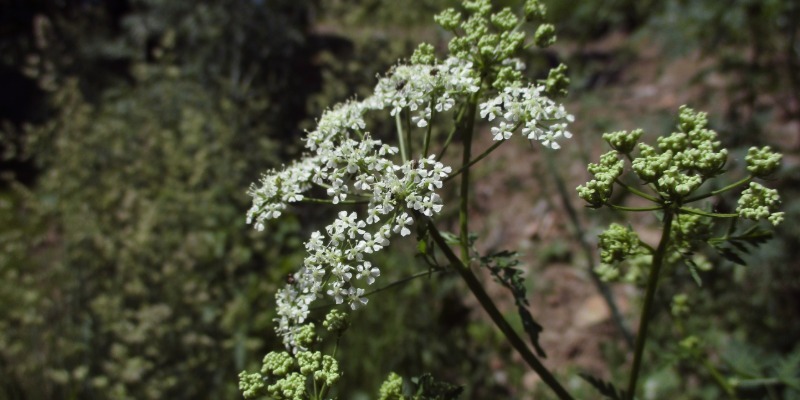
Poison Hemlock is a highly toxic plant increasingly found along boundaries, unmanaged ground, roadside verges, waterways, gardens, and surrounding land.
The plant can grow rapidly during the warmer months and may pose a risk to people, pets, and livestock if handled incorrectly.
Professional identification and management are recommended where Poison Hemlock is spreading near residential properties or accessible areas.
Encompass Environmental can provide practical treatment and management solutions tailored to individual sites and environments.
Species 2 — Tree of Heaven (Ailanthus altissima)
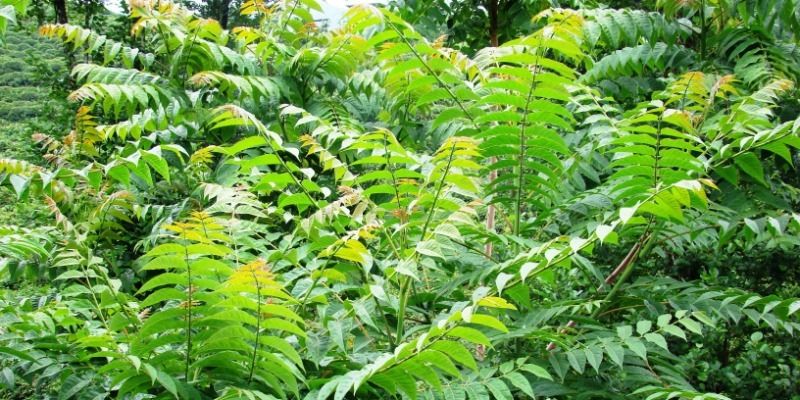
Tree of Heaven is a fast-growing invasive tree species capable of spreading aggressively through underground root systems and large quantities of wind-dispersed seed.
If left unmanaged, the species can establish rapidly around structures, boundaries, hard surfaces, railway corridors, gardens, and surrounding land.
Early identification and management are important to help prevent further spread and long-term establishment.
Encompass Environmental can provide professional advice, surveys, and management options for Tree of Heaven infestations.
Species 3 — Floating Pennywort (Hydrocotyle ranunculoides)
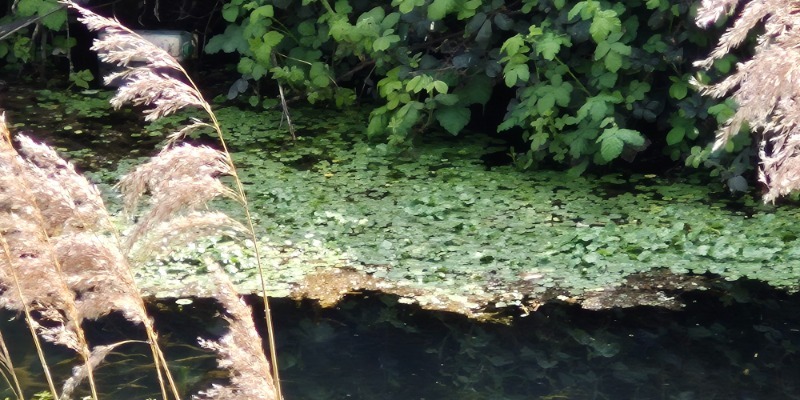
Floating Pennywort is an aggressive aquatic invasive plant capable of rapidly covering ponds, ditches, drainage systems, and waterways if left unmanaged.
The plant spreads quickly across the water surface, reducing water flow and creating significant long-term management issues.
Professional management is often required to help prevent further spread and repeated regrowth.
Encompass Environmental can provide surveys, treatment recommendations, and ongoing management programmes for aquatic invasive species.
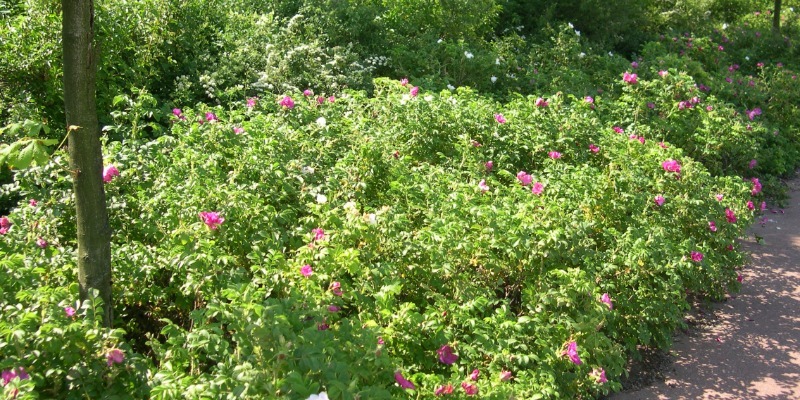
Species 4 — Japanese Rose (Rosa rugosa)
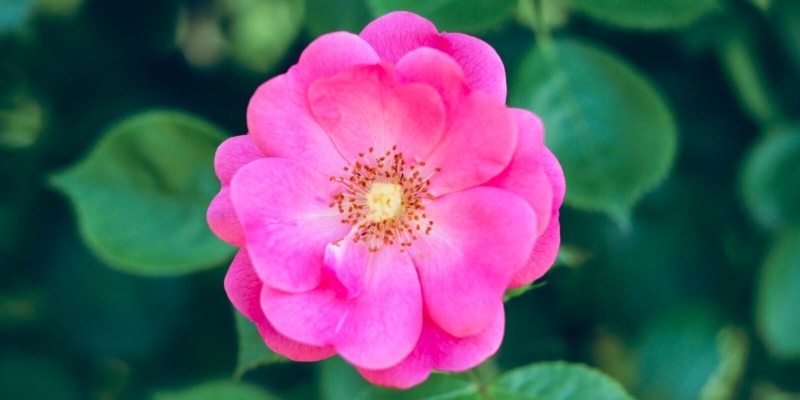
Japanese Rose is an invasive plant species capable of spreading aggressively through dense growth and underground suckering.
The species can quickly dominate surrounding vegetation and become difficult to manage if left uncontrolled for extended periods.
Japanese Rose is commonly associated with coastal areas, embankments, unmanaged land, and environmentally sensitive locations.
Encompass Environmental can provide practical management solutions and long-term control programmes where required.
09/06/2026